Aluminum Foundry processes that ensure reliable outcomes for various industries
Wiki Article
How 3D Printing Sustains Tooling and Pattern Development in Aluminum Foundries
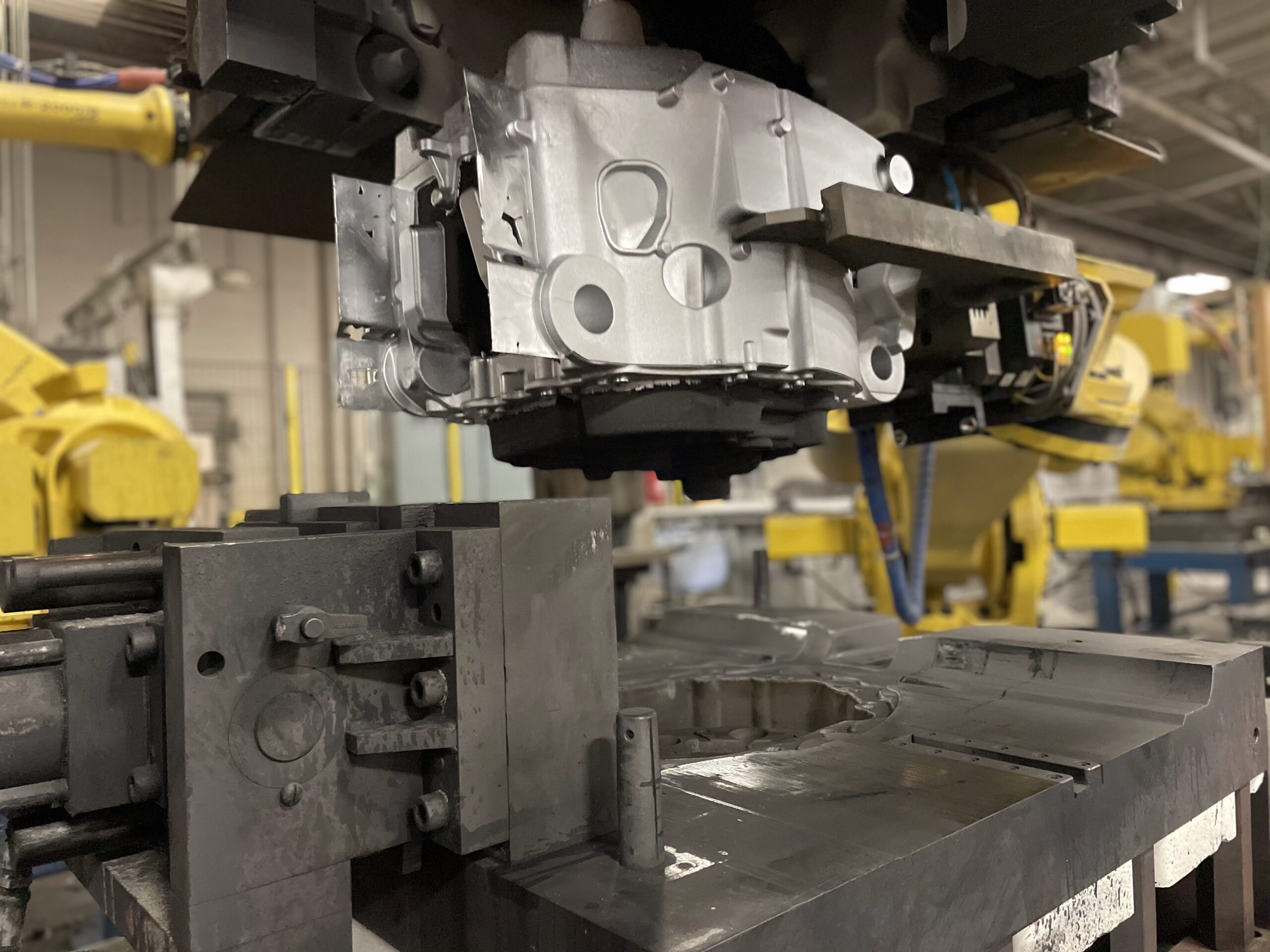
Advantages of 3D Printing in Tooling and Pattern Growth
As 3D printing modern technology proceeds to progress, it supplies substantial benefits in tooling and pattern advancement for light weight aluminum foundries. Among the key advantages is the decrease in lead times. Traditional tooling techniques usually require comprehensive machining and manual work, which can delay production routines. In comparison, 3D printing enables fast prototyping, making it possible for factories to produce molds and patterns quickly.3D printing decreases product waste. Traditional approaches frequently include reducing away excess product, whereas additive manufacturing accumulates parts layer by layer, maximizing material usage. This performance not only minimizes costs however likewise sustains sustainability campaigns within the sector
In addition, the capability to create elaborate designs enhances the total quality of castings. With 3D printing, foundries can create complex geometries that were impossible or previously challenging to accomplish with standard methods, causing enhanced product performance and innovation in design.
Boosted Design Flexibility and Complexity
The assimilation of 3D printing innovation in aluminum factories considerably boosts style adaptability and intricacy. Typical production approaches typically impose limitations on geometric complexities and style variants. In contrast, 3D printing enables the creation of complex styles that were formerly unattainable, allowing developers and engineers to innovate without the constraints of conventional tooling procedures. Complicated interior structures, latticework styles, and customized attributes can now be quickly produced, substantially expanding the range of layout opportunities.In addition, this innovation promotes the rapid version of designs, enabling refinements and changes to be made quickly in feedback to testing and comments. Consequently, shops can better meet certain client needs and adapt to market needs. The improved layout versatility not only cultivates creativity yet also adds to the advancement of extra efficient and maximized parts, ultimately boosting total product high quality and performance in light weight aluminum spreading applications.
Rapid Prototyping and Manufacturing Performance
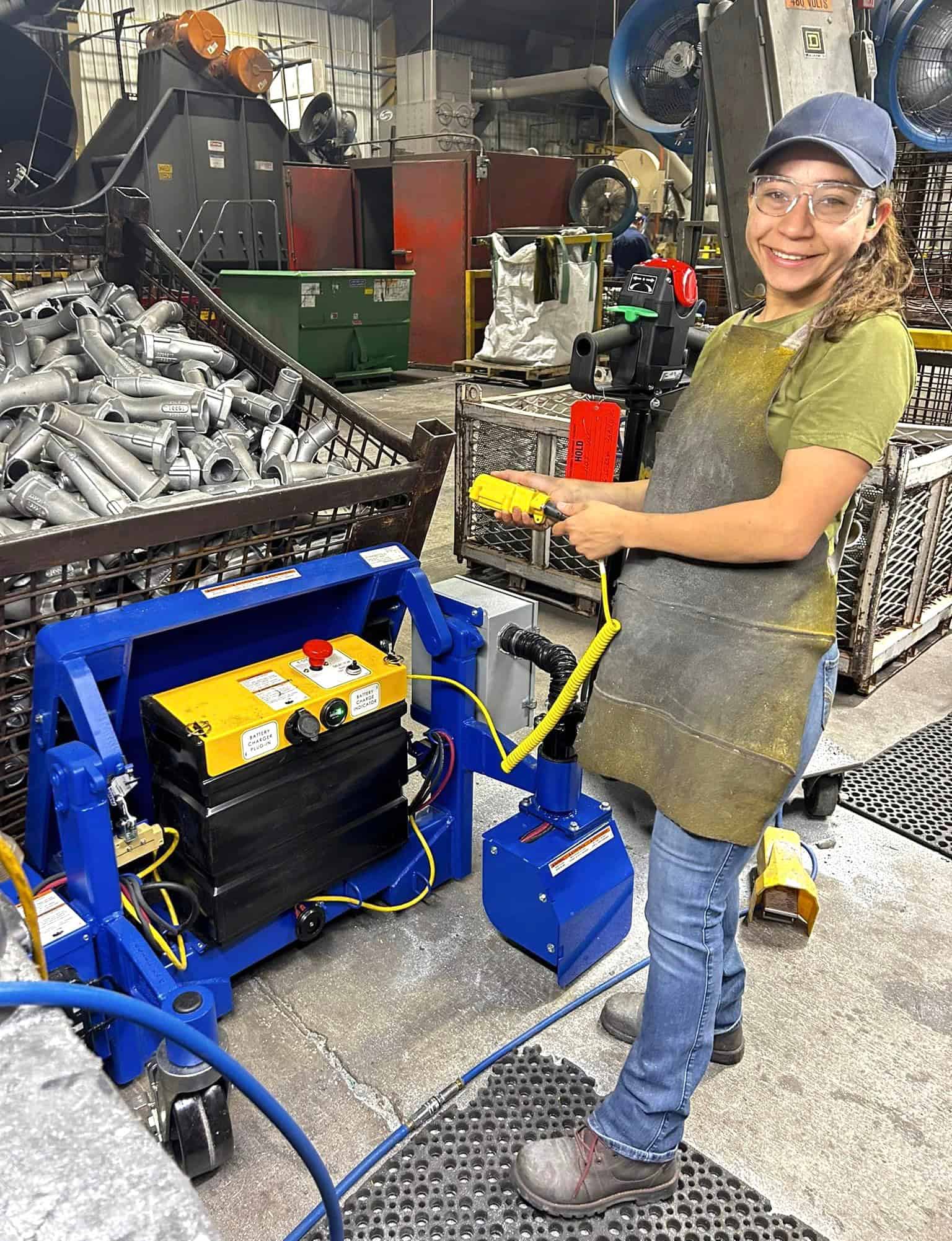
3D printing assists in the manufacturing of complex geometries that were formerly difficult or impossible to accomplish with traditional strategies. As an outcome, aluminum factories can generate lightweight yet robust parts that fulfill particular performance needs. The capacity to swiftly produce models likewise aids in identifying possible style problems early, resulting in boosted item quality. Overall, fast prototyping with 3D printing positions light weight aluminum factories to react swiftly to market needs, therefore improving operational effectiveness and competitiveness.
Cost-Effectiveness and Material Financial Savings
Accomplishing cost-effectiveness is a considerable benefit of integrating 3D printing technology in light weight aluminum factories. The additive production process enables the manufacturing of complicated geometries that traditional techniques may locate challenging or pricey to reproduce. This ability brings about the reduction of material waste, as elements are built layer by layer, making use of just the necessary amount of product for each component.Furthermore, 3D printing lowers the demand for substantial tooling and machining, which can be costly and lengthy. By lessening these requirements, factories can decrease their general manufacturing prices while enhancing throughput. The capacity to rapidly iterate designs likewise suggests that foundries can respond to market demands a lot more successfully, additional improving financial performance. Additionally, click the possibility for on-demand production removes the demand for large stock stocks, permitting for improved cash money flow management. In general, 3D printing supplies a critical benefit in attaining price savings and resource efficiency in light weight aluminum shops.
Instance Studies: Successful Applications in Aluminum Foundries
As aluminum factories progressively More hints embrace 3D printing technology, numerous study show its transformative influence on production procedures. One notable instance involves a mid-sized shop that carried out 3D-printed sand molds, minimizing lead times by 50%. This accelerated their manufacturing abilities while minimizing material waste. One more study highlights a large-scale operation that replaced standard tooling with 3D-printed patterns for complex components. This shift not just reduced expenses however also enhanced the precision of their castings.
Additionally, a start-up foundry utilized 3D printing to develop tailored tooling, boosting adaptability and permitting quick style adjustments. This versatility enabled them to respond to market demands swiftly. Jointly, these applications show exactly how 3D printing fosters effectiveness, innovation, and expense financial savings in aluminum factories, leading the way for future improvements in the industry.

Often Asked Inquiries
What Kinds of Products Are Made Use Of in 3D Printing for Aluminum Foundries?
Numerous materials are made use of in 3D printing for light weight aluminum factories, consisting of thermoplastics like abdominal and PLA, along with metal powders such as aluminum and stainless-steel, which enhance durability and precision in tooling and pattern advancement.Just How Does 3D Printing Impact Conventional Manufacturing Approaches in Factories?
3D printing enhances typical manufacturing approaches in foundries by enhancing design versatility, lowering lead times, and reducing material waste. This innovative technique permits rapid prototyping, enabling quicker iterations and boosted performance in manufacturing processes.What Are the Typical Difficulties Dealt With When Implementing 3D Printing in Foundries?
Common obstacles encountered when implementing 3D printing in factories include high initial costs, material limitations, integration with existing procedures, training workforce on new modern check these guys out technologies, and guaranteeing quality assurance during production to satisfy market standards.Can 3D Printing Be Used for Repair And Maintenance in Aluminum Foundries?
Yes, 3D printing can be effectively made use of for upkeep and repair in aluminum shops, making it possible for fast manufacturing of extra components and parts. This technology reduces downtime and boosts functional performance, inevitably benefiting overall productivity and cost-effectiveness.Exactly How Does 3D Printing Impact the Environmental Sustainability of Foundries?
3D printing enhances environmental sustainability in foundries by lowering product waste, allowing efficient manufacturing processes, and reducing power usage (Aluminum Casting). Its capacity to develop intricate geometries likewise promotes lightweight layouts, additionally decreasing the environmental impact of productionThe integration of 3D printing modern technology in aluminum factories significantly boosts layout adaptability and complexity. Fast prototyping has emerged as a pivotal benefit of 3D printing in aluminum shops, considerably improving production performance. As light weight aluminum shops increasingly adopt 3D printing innovation, numerous situation research studies illustrate its transformative effect on manufacturing procedures. 3D printing enhances standard production approaches in foundries by enhancing style versatility, decreasing lead times, and lessening product waste. Yes, 3D printing can be properly utilized for upkeep and fixing in light weight aluminum shops, allowing fast production of spare components and components.
Report this wiki page